
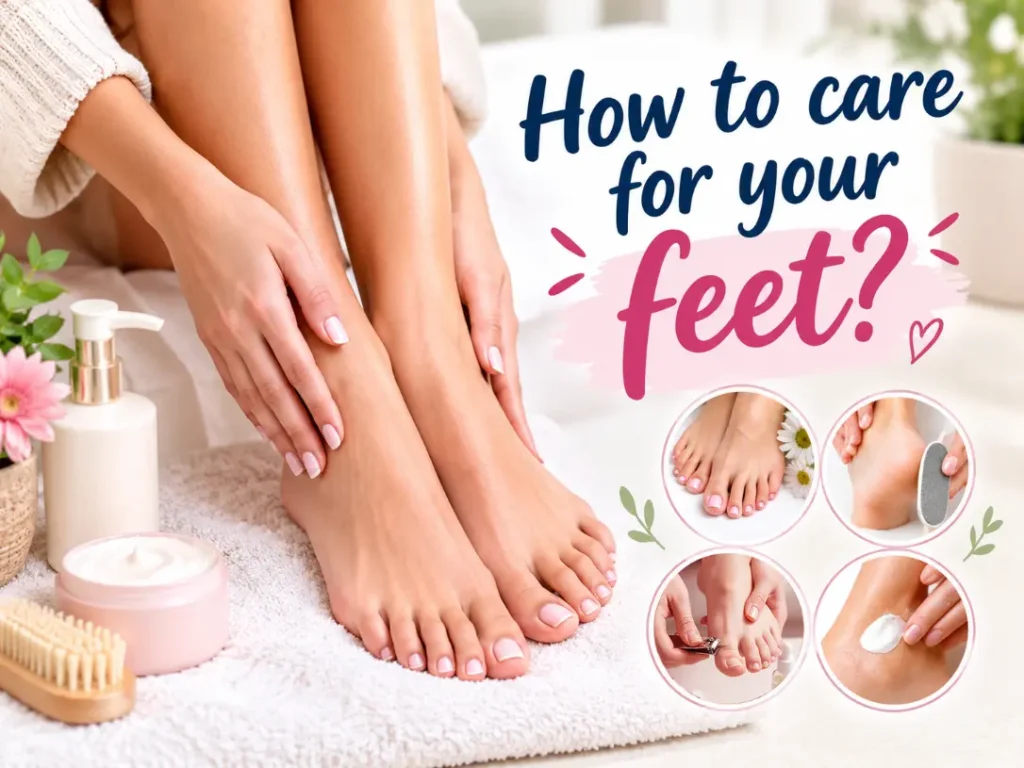
Your feet carry you tirelessly through busy days, long afternoon walks, exhausting shopping trips, and special evening celebrations. But do you honestly give them the exact same dedication, care, and attention that you regularly provide for your face, hair, and fingernails?
If your heels frequently feel rough, your toes become uncomfortably sweaty in tight sneakers, or your skin looks dull and dry in open-toed sandals, it is officially time to refresh your daily beauty routine.
Learning how to care for your feet properly is significantly simpler than you might think. You absolutely do not need to invest in expensive luxury salon treatments or clutter your vanity with complicated cosmetic products to enjoy softer, healthier-looking skin. A few small, deliberate everyday habits can make a massive, visible difference in your physical comfort.
In this ultimate guide, you will discover eight practical, time-saving ways to keep your feet thoroughly clean, deeply moisturized, highly attractive, and completely comfortable. You will also learn how to manage your toenails cleanly, address stubborn rough heels safely, and rapidly recognize common problems that deserve careful attention.
Let us dive straight in!
1. Keep Your Feet Clean With a Simple Daily Routine
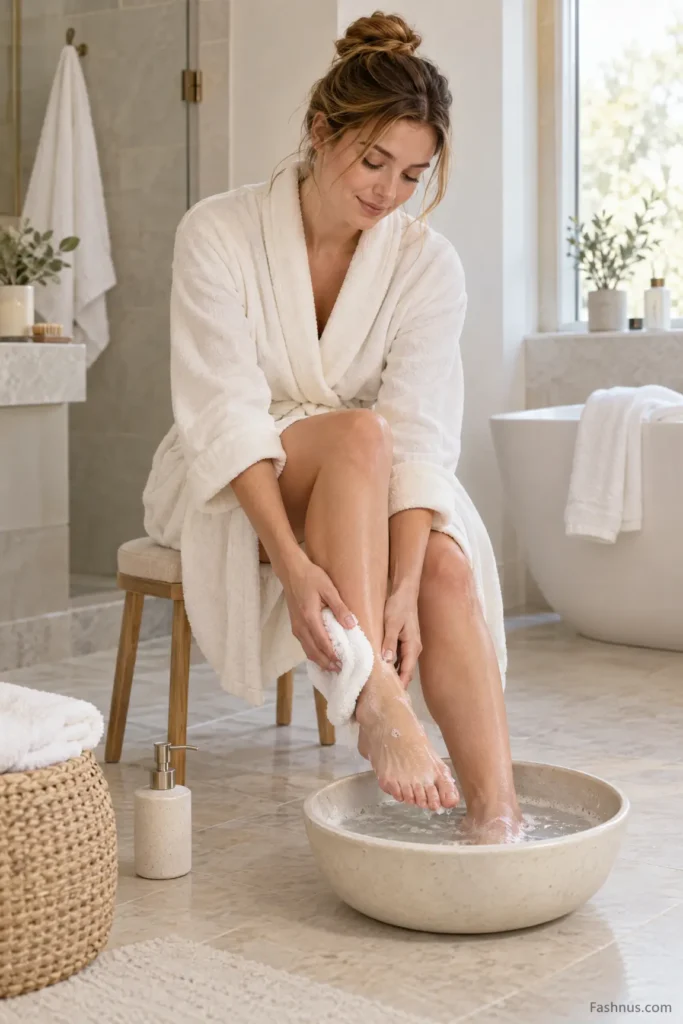
Good foot care begins with cleanliness. Your feet spend hours inside shoes and slippers, where sweat and warmth Good foot care always begins with proper cleanliness. Your feet spend hours locked inside dark shoes and synthetic slippers, where sweat, friction, and environmental warmth can build up rapidly. Without regular, thorough washing, this continuous moisture and trapped dirt can easily contribute to unpleasant odors and certain superficial skin infections.
Fortunately, keeping your feet clean does not require a complicated or time-consuming routine. Make it a strict habit to wash them daily using lukewarm water and a mild, gentle cleanser. Pay close attention to the soles, the sides of your toes, and the tight spaces right between your digits.
Follow these simple, effective steps:
- Wash the skin gently using your hands or a soft washcloth without scrubbing aggressively.
- Rinse away all remaining soap residue thoroughly to prevent skin irritation.
- Dry your feet completely using a clean towel, focusing heavily on the spaces between your toes.
- Change into fresh, clean socks every single day, or more frequently if they become damp from sports.
- Allow your everyday shoes to air out and dry completely before wearing them again.
Avoid soaking your feet in hot water for long periods, particularly if your skin is already naturally dry, as excessive soaking can rapidly worsen dryness by stripping away your skin’s protective lipid barrier. According to official foot hygiene guidance from the Centers for Disease Control and Prevention (CDC), washing daily, drying thoroughly, trimming toenails straight across, and changing socks regularly are essential foundational habits to prevent bacterial and fungal growth.
Styling Secret: Integrate foot care directly into your evening relaxation routine. Dedicating just five minutes to gentle cleaning can help your feet feel completely fresh, cool, and comfortable before bedtime.
2. Choose Comfortable Shoes and Slippers to Prevent Irritation

Beautiful, high-fashion footwear can effortlessly complete a gorgeous outfit, but uncomfortable shoes can quickly spoil your entire day. Tight heels, stiff synthetic straps, and poorly fitted sandals frequently rub against your delicate skin matrix, causing painful blisters, redness, or throbbing pressure points.
Alleviating minor skin conditions caused by wearing poorly fitting shoes and slippers starts with understanding the root problem. Continuous physical friction usually causes superficial irritation and fluid-filled blisters, while warm, damp interior footwear environments encourage fungal organisms to thrive. These distinct issues require entirely different care approaches, so you should never assume every sore, red, or itchy area is a fungal infection.
Protect your skin barrier using these healthy footwear habits:
- Always choose shoes that provide ample room for your toes to splay naturally.
- Wear clean, highly breathable cotton socks with suitable closed footwear.
- Invest in comfortable, structured footwear for long walking commutes or holiday travel.
- Alternate your footwear choices daily so each individual pair has enough time to dry completely.
- Always wear sandals or rubber shower shoes when walking around in communal changing rooms, public pools, and shared gym showers.
If you develop an uncomplicated friction blister from a new pair of shoes, cover the area with a clean, breathable dressing and avoid deliberately popping or tearing the skin bubble. However, if a blister becomes increasingly painful, intensely red, warm to the physical touch, swollen, or begins producing pus, seek medical advice promptly. Persistent or worsening symptoms require targeted evaluation rather than routine cosmetic care.
Styling Secret: Before tapping your card for a new pair of shoes, spend a few minutes walking around the store in them. Your toes should always have full freedom to move without rubbing against the front material.
3. Moisturize Regularly for Soft Feet and Smooth Soles
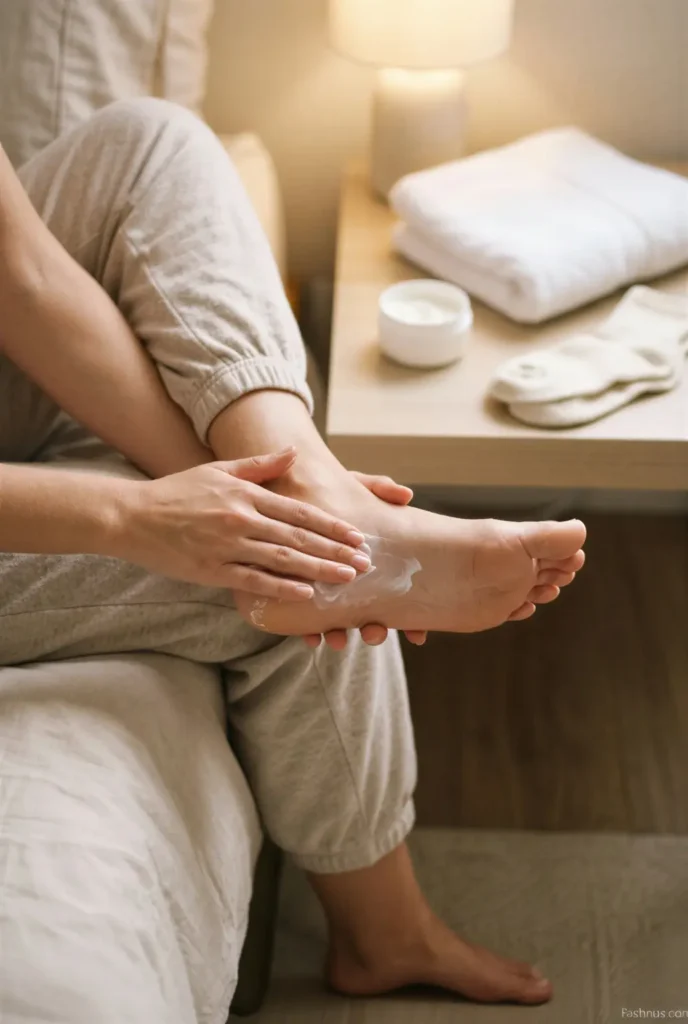
Dryness can rapidly cause your soles to feel uncomfortably rough and scratchy, particularly around the perimeter of your heels and across the balls of your feet. Cold winter weather, frequent hot bathing, wearing open-backed shoes, and continuous walking friction all contribute to moisture loss along the lower extremities.
Maintaining the smooth softness of your feet and soles requires consistent, daily moisturizing. Apply a rich, high-quality foot cream immediately after washing while your skin is still slightly damp to lock in the surface moisture. Look for product formulations enriched with ingredients like glycerin, ceramides, and urea, which actively support deep hydration while softening dry, thickened skin layers.
For an easy, deeply relaxing evening routine:
- Wash and dry your feet thoroughly following your evening shower.
- Apply a generous amount of moisturizer directly to your heels and dry soles.
- Massage the cream gently using upward strokes until it is fully absorbed.
- Slip on a pair of comfortable, breathable cotton socks if you prefer to protect your bedding from product transfer.
You can safely use a thicker emollient ointment, such as pure petroleum jelly, on exceptionally dry or weathered heels right before bedtime. However, make it a strict rule to completely avoid applying heavy moisturizers or thick creams directly between your toes, where the accumulation of excess moisture can inadvertently encourage fungal growth. Alignment with expert heel care advice from the American Academy of Dermatology (AAD) recommends moisturizing immediately after bathing and prioritizing thick products tailored for dry, cracked skin textures.
Styling Secret: Keep your favorite foot cream resting right beside your bed on your nightstand so that moisturizing becomes an automatic nighttime habit rather than an occasional treat.
4. Remove Rough, Calloused Skin From Your Heels Safely
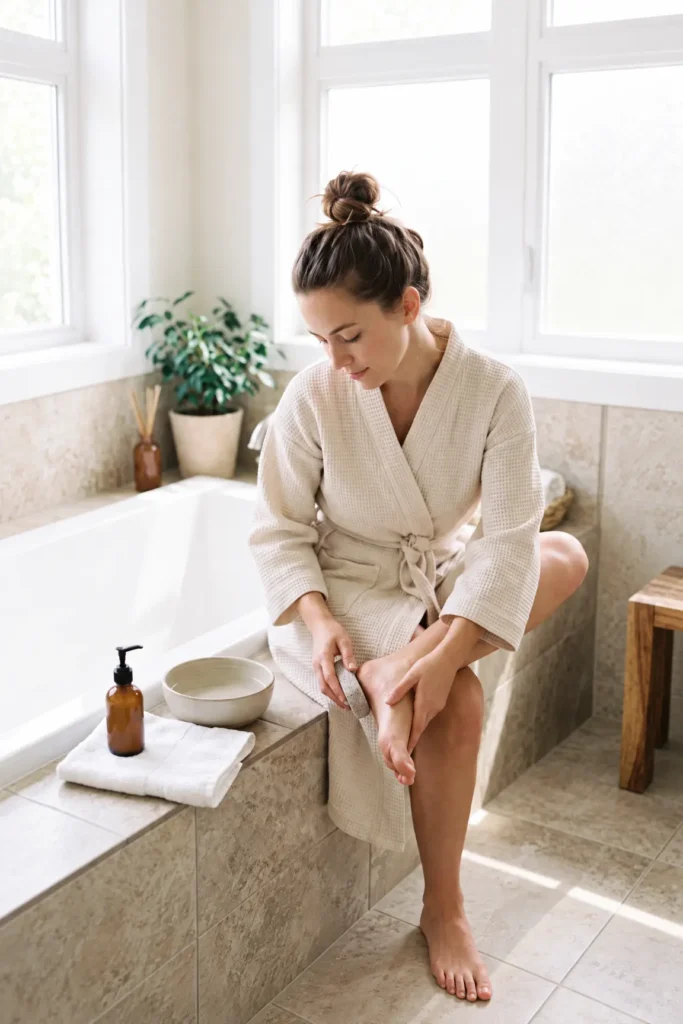
Rough, calloused heels can quickly make your favorite summer sandals look and feel far less appealing. Calluses are simply thickened areas of dead skin cells that develop naturally as a protective response to repeated structural pressure or physical friction. Although they can look unattractive on a casual day out, they are fundamentally trying to protect the underlying tissue from tearing.
Removing rough, calloused skin from your heels to restore a soft, velvet texture requires patience and consistency. You should always avoid trying to aggressively remove all the thickened skin in one single, intense session, as doing so can trigger a painful rebound effect.
If you are generally healthy and have no underlying medical conditions affecting your circulation, try this safe method:
- Soften the calloused areas by soaking your feet in warm water for roughly five to ten minutes.
- Gently rub the damp, thickened skin using a wet, high-quality pumice stone moving in a singular direction.
- Stop the physical exfoliation immediately if you experience any pain, tingling, or notice sudden redness.
- Rinse the area, dry your skin thoroughly with a towel, and immediately apply a thick layer of moisturizer.
Repeat this gentle process gradually over several days rather than attempting to achieve perfectly smooth heels instantly through harsh scraping. Never use razor blades, sharp metal scrapers, scissors, or cutting tools to cut away calluses at home, as these can cause deep, easily infected wounds.
Furthermore, over-the-counter chemical callus removers can easily damage the surrounding healthy skin. If you live with diabetes, poor circulation, or reduced physical sensation, you must seek professional advice from a podiatrist before treating thickened skin yourself. For persistent or painful calluses, a specialist can recommend safe, appropriate care.
Styling Secret: Gentle, regular care always works infinitely better than aggressive, panicked scrubbing. Protect your heels from the physical friction that caused the calluses in the first place by evaluating your everyday footwear.
5. Keep Toenails Clean, Neat, and Hygienic
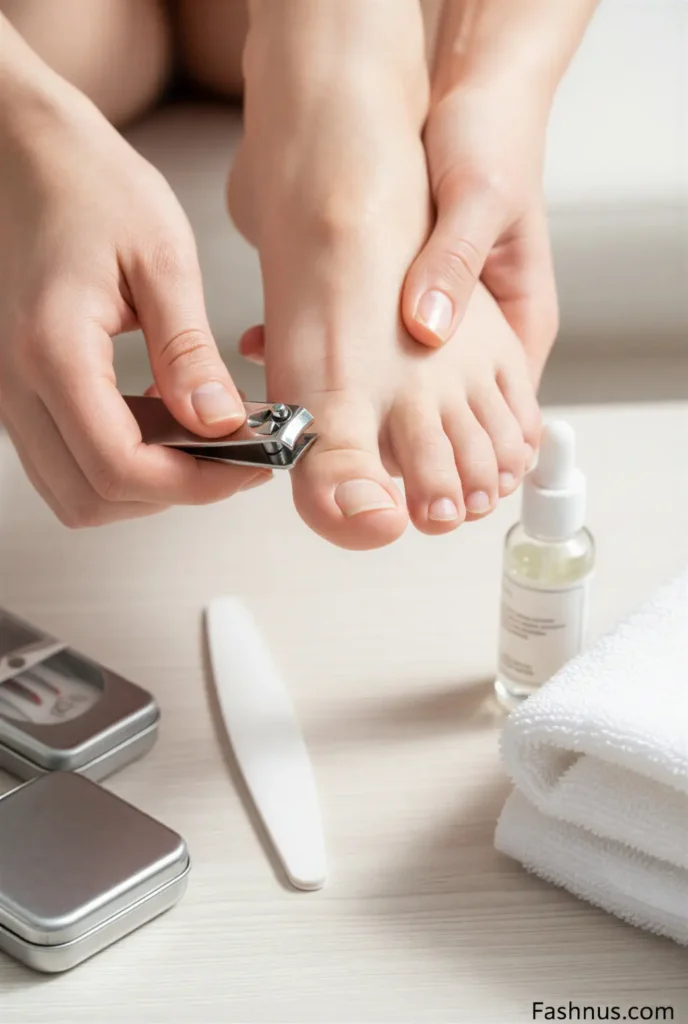
Your toenails play an immensely important role in the overall aesthetic presentation, neatness, and daily hygiene of your feet. Dedicating a few minutes to keeping your nails beautifully maintained can instantly make your favorite open-toe shoes and summer sandals look twice as expensive and polished.
Sustaining clean and hygienic toenails starts with performing a quick visual inspection and executing a careful, structured trimming routine. Deep environmental dirt, lint, and bacteria can easily collect beneath the free nail edges over the course of a week, while overly long toenails will constantly press against the interior front walls of your shoes, creating painful pressure points and leading to localized bruising.
Incorporate this simple, professional nail care routine into your weekly calendar:
- Gently clean beneath the free edge of each nail plate using a smooth wooden stick, being careful to never dig aggressively into the sensitive underlying skin bed.
- Always trim your toenails straight across in a clean line rather than rounding the edges deeply.
- Smooth down any remaining sharp corners or rough snags using a fine-grit nail file.
- Avoid cutting your nails too short, and never cut deep down into the lateral corners, as this can encourage painful ingrown nails.
- Thoroughly clean and dry your metal nail tools with rubbing alcohol after every single use to maintain strict hygiene.
- Make it an absolute rule to never share your personal nail clippers, files, or emery boards with anyone else.
- Do not cut, clip, or push back your cuticles aggressively during styling. This delicate seal functions as your skin’s primary protective barrier against bacteria and germs.
If you ever notice discolored, thickened, crumbling, or painful nail surfaces, this may indicate an underlying fungal infection or a localized matrix condition rather than a simple cosmetic issue. It is always best to consult a healthcare professional to identify the precise cause before you choose to apply heavy lacquers or over-the-counter retail treatments. For more holistic hand and foot beauty inspiration, explore our comprehensive guide on ten simple ways to care for and maintain your nails beautifully!
For more beauty inspiration, explore our guide to 10 Ways to Care for and Maintain Your Nails.
6. Manage Itchy or Peeling Skin Between Your Toes Effectively
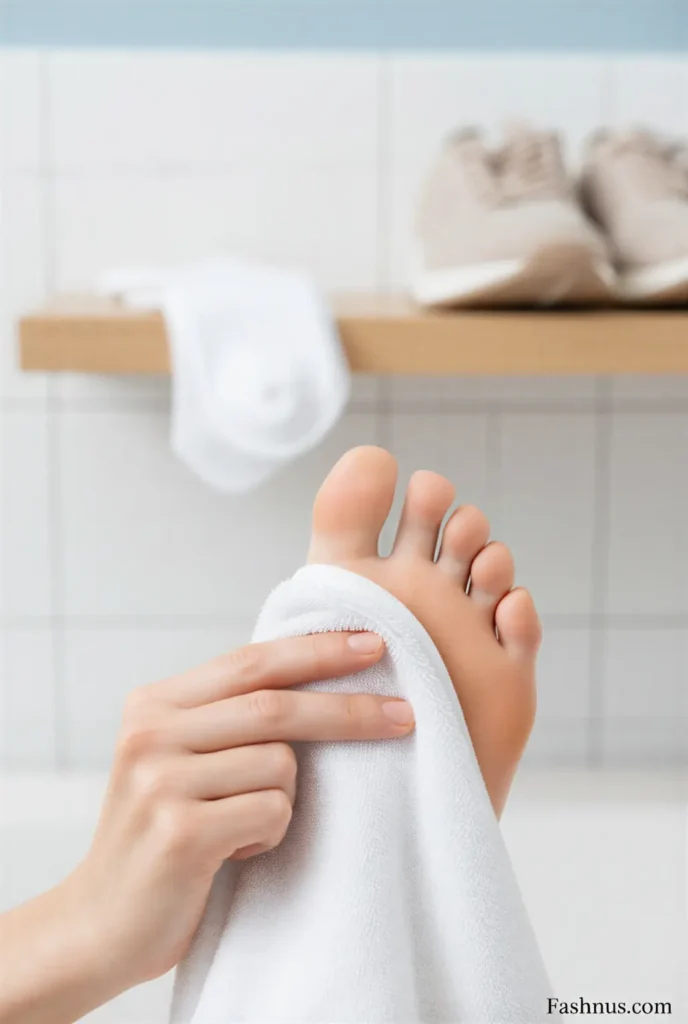
Experiencing persistent itching, peeling, raw cracking, or a burning sensation directly between your toes can be deeply uncomfortable and frustrating. One highly possible cause for these specific symptoms is athlete’s foot, which is a very common, highly contagious superficial fungal infection that thrives in warm, moist, and unventilated footwear environments. However, it is critical to remember that other skin conditions, such as eczema or severe friction dermatitis, can produce nearly identical symptoms.
Effectively managing and preventing minor skin irritation between the toes begins by keeping the local environment completely clean and bone-dry. Wash the spaces gently during your daily shower, pat the skin entirely dry using a clean towel, and change out of damp, sweaty socks as soon as you finish a walk or a workout.
Protect your skin barrier with these essential prevention habits:
- Always choose highly breathable, open-weave footwear when your daily schedule allows it.
- Rotate your shoes continuously so that each pair has a full twenty-four hours to dry out.
- Avoid sharing bath towels, sports socks, or footwear with family members or friends.
- Wear thick rubber shower shoes or flip-flops when navigating communal wet spaces like gym locker rooms.
- Avoid scratching the irritated skin, as scratching can rapidly spread the infection to other fingers or break the skin barrier.
- Keep thick moisturizers and foot creams completely away from the tight spaces between your toes, as trapping excess moisture in these zones will encourage fungal organisms to multiply.
If your symptoms strongly suggest a classic case of athlete’s foot, ask a local pharmacist to recommend an appropriate over-the-counter antifungal treatment cream and follow the packaging directions closely. Seek medical advice promptly if the irritation begins to spread across your foot, becomes increasingly painful, looks visually infected, keeps returning, or fails to improve after a week of proper care. Individuals living with diabetes or compromised immunity should always seek professional medical evaluation immediately for any foot changes. Official foot hygiene guidance from the CDC confirms that keeping skin thoroughly dry and switching out damp socks frequently stands as your absolute best defense against fungal issues.
7. Beautify Your Feet With a Simple At-Home Pedicure
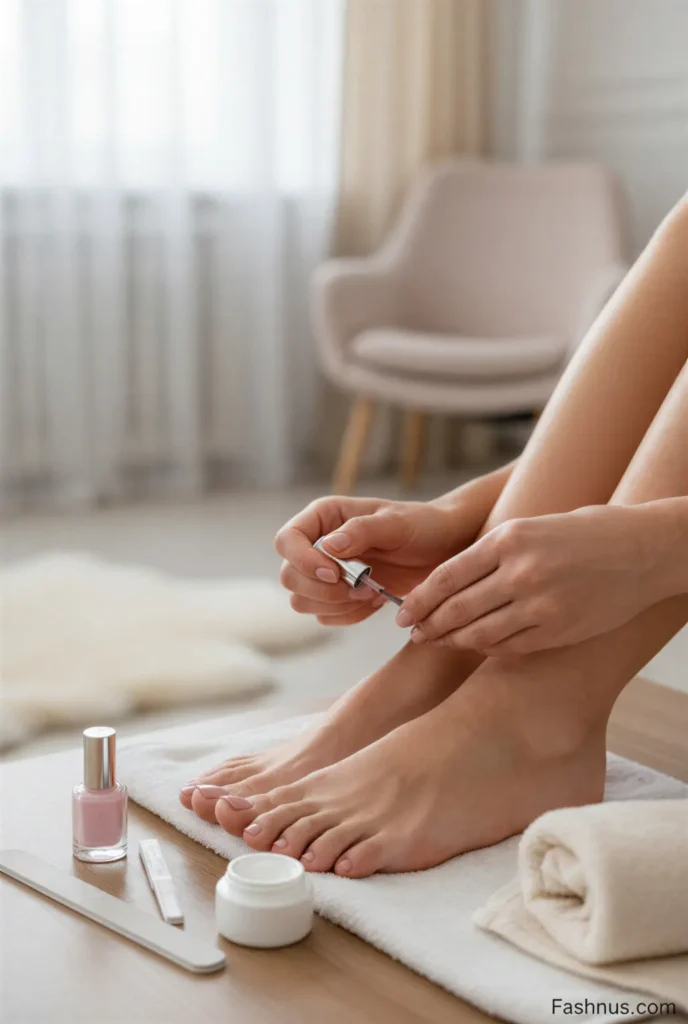
You absolutely do not need to book an expensive, time-consuming professional salon appointment every single time you want your feet to look attractive, smooth, and summer-ready. Executing a simple, structured at-home pedicure can help you feel intensely polished, confident, and put-together while providing the perfect opportunity to check your skin for unexpected dryness or nail changes.
True foot beautification is about significantly more than just applying a layer of bright nail polish over your toes. Healthy-looking, smooth skin, tidy nail perimeters, and clean, comfortable footwear combine together to create a gorgeous overall appearance.
Try this easy, five-step at-home beauty routine:
- Clean your feet thoroughly using a mild wash and dry the skin carefully with a towel.
- Trim your toenails straight across and file the edges smooth to prevent snagging.
- Apply a rich moisturizer to your dry soles and heels, keeping the space between your toes completely clear.
- Massage a tiny drop of a gentle cuticle conditioner around your nail walls to prevent hangnails.
- Select a high-quality nail polish color that seamlessly complements your personal wardrobe style.
Use chemical nail polish removers sparingly, and try to take regular one-week breaks from wearing heavy lacquers if your nail plates ever appear dry, peeling, or brittle. For a fresh, classic summer look, consider selecting soft blush pink, milky white, pastel lavender, or a timeless crimson red for your toenails. If you prefer a completely natural look, neatly filed nails paired with smooth, well-hydrated skin can look just as elegant, clean, and sophisticated. Always ensure your styling tools are clean, and immediately postpone any cosmetic polish treatments if a nail appears damaged, bruised, or infected until the tissue fully recovers.
8. Check Your Feet Regularly and Recognize Warning Signs
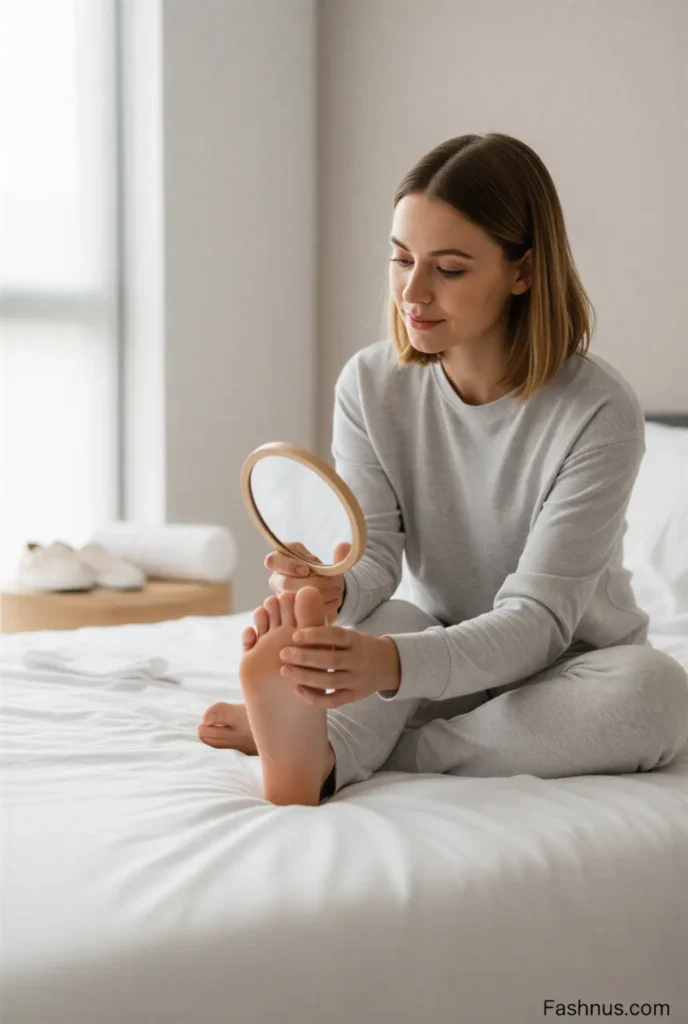
A truly successful beauty and self-care routine should always empower you to easily notice when a minor aspect of your physical health requires extra attention. Even if your feet usually feel perfectly healthy and comfortable, make it a continuous habit to examine them closely once a week during your evening routine.
Look out for any unusual localized redness, sudden swelling, small cuts, friction blisters, deeply cracked skin, persistent itching, or structural changes in your toenails. Pay close attention to whether a specific pair of everyday shoes is creating repeated pressure points or whether a minor spot of raw irritation is progressively getting worse over time. Preventing major complications is easily achieved by choosing supportive footwear, swapping out damp socks immediately, sterilizing your shared nail clippers, and allowing your shoes to air out completely between uses.
Avoid walking barefoot in public spaces, shared holiday pools, or unfamiliar outdoor terrains where sharp objects or contaminated surfaces could easily puncture your skin barrier. Remember that not every single foot concern can be resolved with a rich moisturizer or a home pedicure kit. Seek professional medical advice from a podiatrist or healthcare professional if you ever notice:
- Increasing localized pain, exceptional warmth to the touch, sudden swelling, or spreading red streaks.
- The presence of pus, an open wound, or a bleeding, deep heel crack.
- Persistent flaking, peeling, or a suspected fungal infection that fails to heal.
- A highly painful, swollen, or ingrown toenail edge.
- Any minor skin wound or scratch that fails to show signs of healing after several days.
If you live with diabetes, poor circulation, or reduced physical sensation in your extremities, you must inspect your feet daily and consult a doctor regarding your foot care. Even a minor scratch or friction blister requires prompt professional attention under these specific circumstances to ensure your feet stay healthy and beautiful.
Table of Contents
Final Thoughts: Give Your Feet the Premium Care They Deserve
Your feet work incredibly hard for you every single day, and they deserve just as much dedication, high-quality product selection, and attention as the rest of your comprehensive beauty regimen.
By committing to washing daily, prioritizing comfortable and roomier footwear, moisturizing your soles consistently, trimming your toenails safely, and addressing skin changes early, you can effortlessly build healthy habits that support gorgeous, comfortable feet.
You do not have to completely change your entire beauty lineup overnight. Start small by introducing one simple, low-effort habit this week, such as massaging a rich cream onto your heels right before bed or drying carefully between your toes after your evening shower. Once that feels automatic, build your self-care routine step by step.
Continue exploring our website to unlock more daily style breakdowns, expert beauty blueprints, and time-saving care guides designed to keep your personal style entirely effortless and beautiful. Save this master guide to your “Self-Care Checklist” board on Pinterest so you always have these helpful foot care rules right at your fingertips before event season arrives.
Stay radiant, stay comfortable, and step out with pure confidence!