
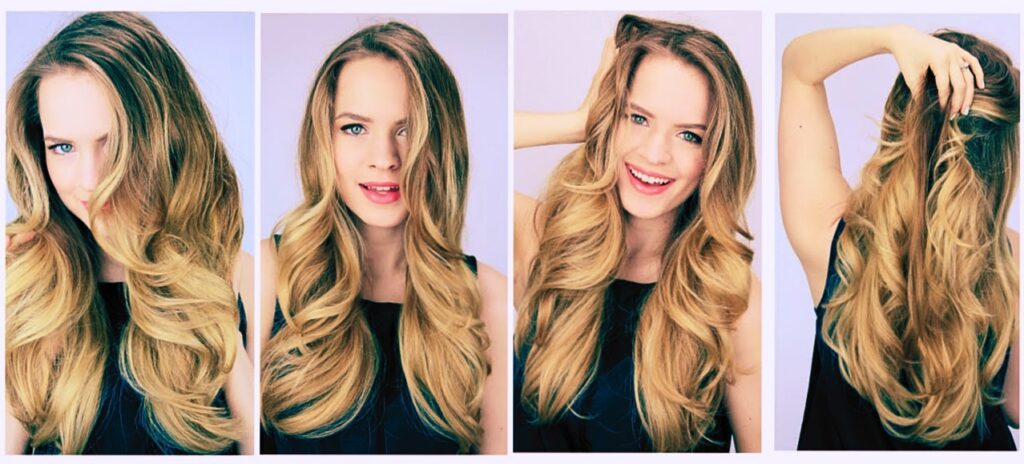
Volume Without the Damage
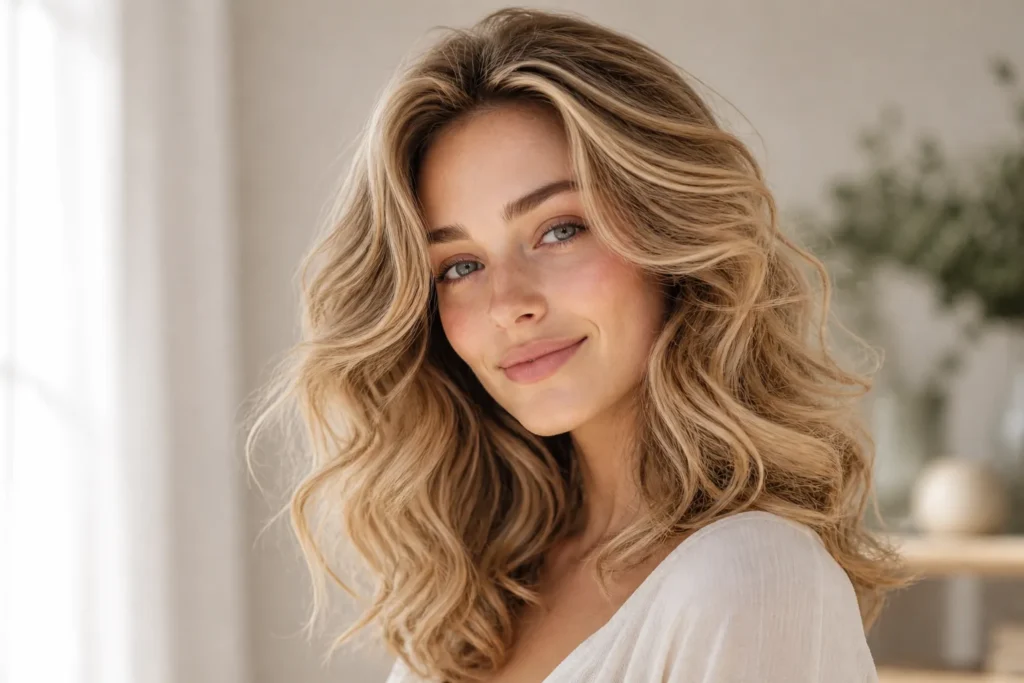
If you have baby-fine, fragile hair, you already know the morning struggle intimately.
One single blast from a standard curling iron or hot wand can leave your delicate strands feeling crispy, frizzy, or even broken. Yet, you still dream of rocking soft, bouncy curls that actually last longer than ten minutes on a busy day.
Good news: heatless curls are officially your new best friend. They provide gorgeous volume, body, and shape without exposing your fragile strands to thermal damage. When executed correctly, these low-friction techniques actually help your fine hair look significantly fuller, healthier, and more beautiful over time.
Let us dive directly into the science, the methods, and the daily rules of heatless curls for fine, fragile hair, focusing strictly on styling routines that deliver real results.
Why Heatless Curls Are an Absolute Game-Changer for Fine Hair
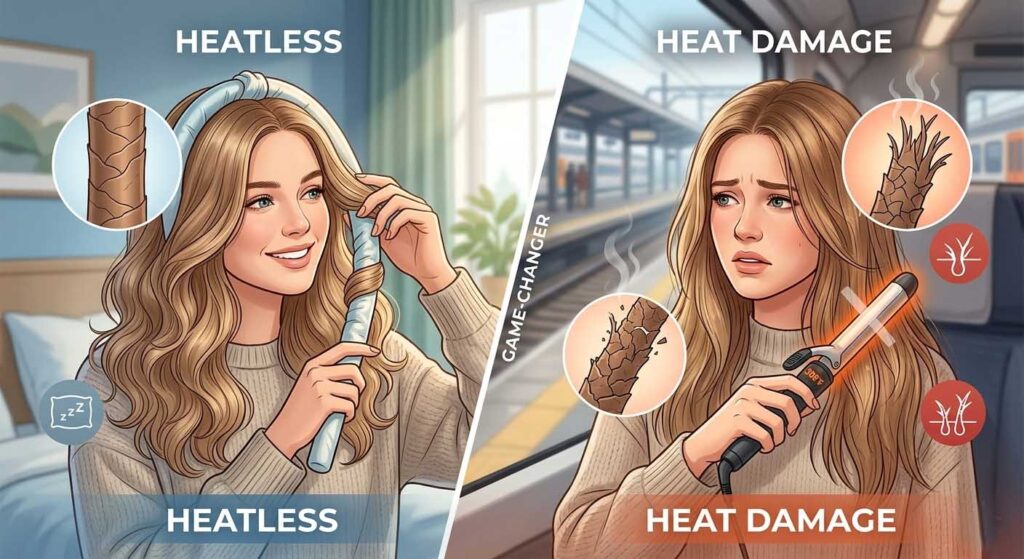
Fine hair naturally possesses a much thinner protective cuticle layer compared to coarse strands. This unique structural anatomy means your hair experiences:
- Immensely less natural insulation against high temperatures.
- Accelerated moisture loss from the internal hair core.
- A drastically higher risk of developing sudden split ends and mid-shaft breakage.
Even setting your hot tools to a low setting can cause severe, cumulative structural damage over time. Heatless styling completely eliminates that thermal risk from your beauty calendar. Plus, because many of these protective methods set your curls gradually while you sleep, you wake up completely ready to go.
For ladies navigating busy European commutes, train travel, and highly unpredictable weather patterns like sudden rain, high humidity, or coastal winds, heatless curls often hold dramatically better than heat-styled ones. This is because the pattern forms gradually as the hair dries, preventing the flash-drying that makes styles collapse.
The Golden Rules for Heatless Curls on Fine Hair Matrix
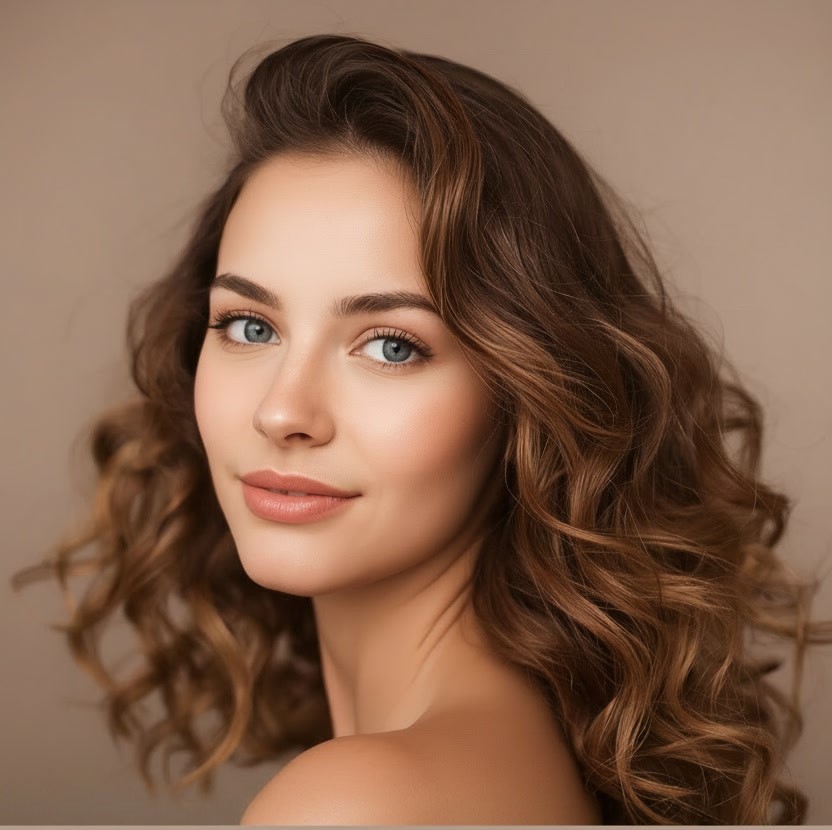
Before trying any specific method, you must master these four foundational rules. They represent the exact difference between messy, frizzy waves and flawless, red-carpet-worthy curls.
1. Start with Damp, Not Wet, Hair
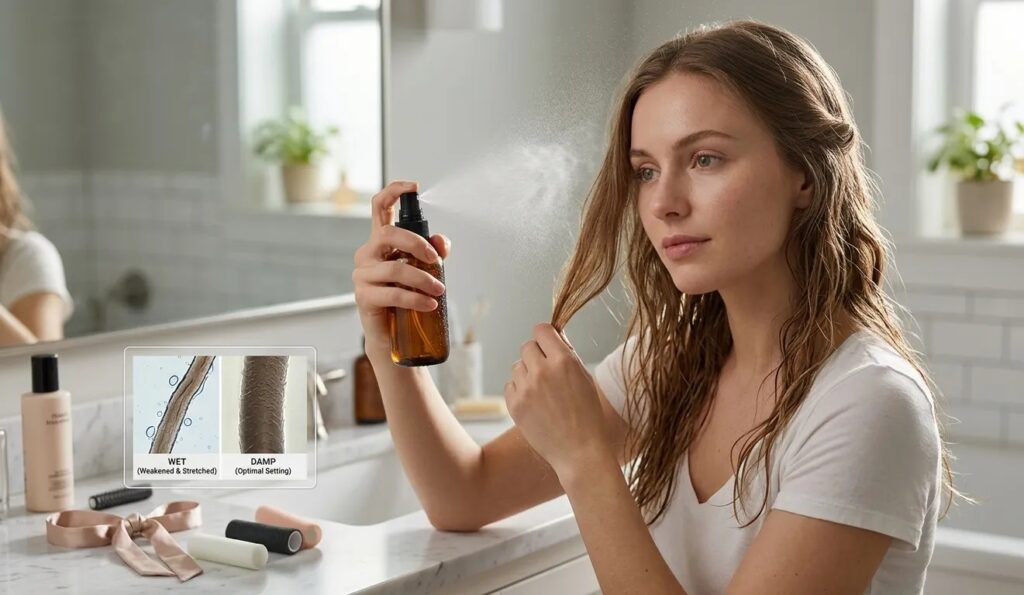
Soaking wet hair stretches easily and becomes highly vulnerable to snapping. Wrapping hair while it is entirely wet weakens fine strands and traps excess moisture, leading to frizz. Your hair should be roughly eighty to ninety percent dry before curling. Simply mist your dry length lightly with a water spray bottle or a feather-light leave-in conditioner spray to prime the hair
2. Commit Strictly to Lightweight Products
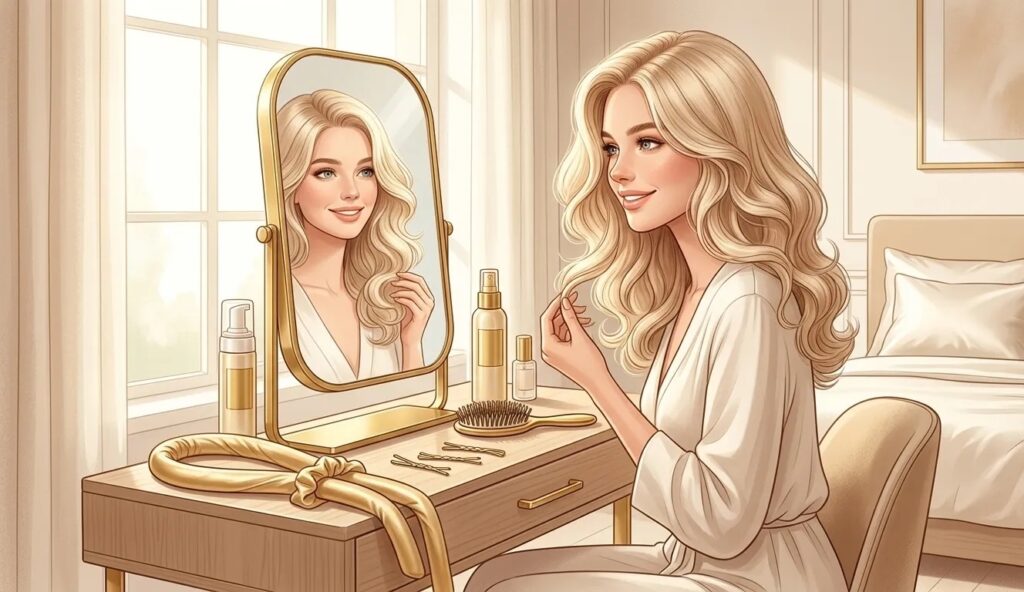
Heavy styling creams, dense waxes, or thick oils will weigh fine hair down instantly, causing your curls to fall flat before you even leave the house. Stick exclusively to weightless volumizing mousse before wrapping, a light-hold flexible hairspray after unraveling, and a single micro-drop of argan oil to add surface shine at the very end.
3. Never Tug or Pull the Strands Taut
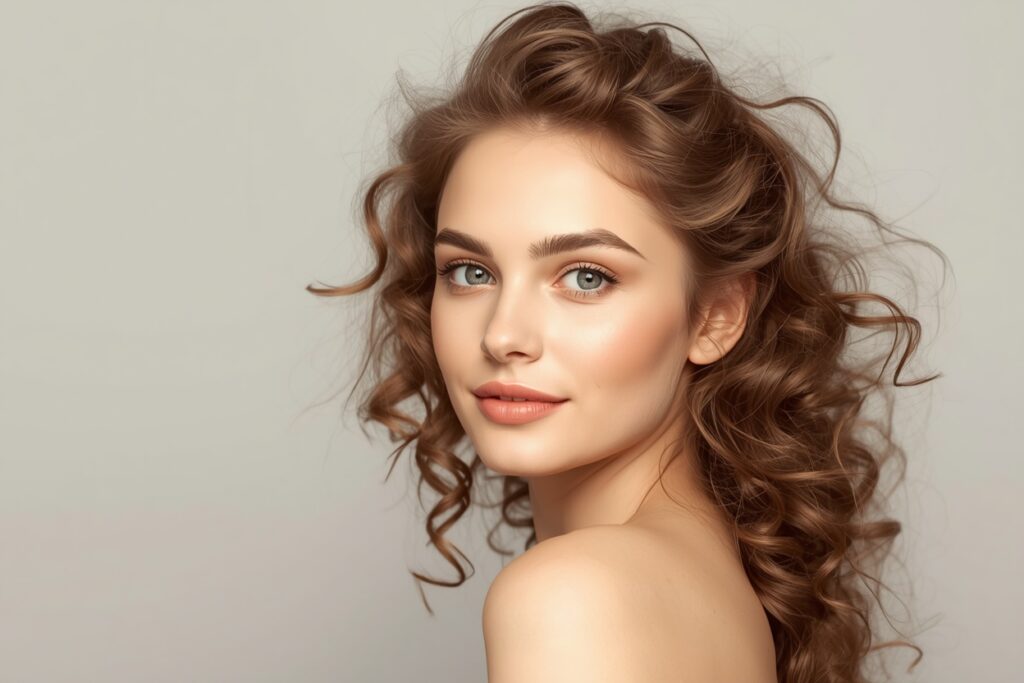
Fine hair snaps under sudden structural tension. When rolling rods or twisting scarves, keep your tension completely low and relaxed. Looser, gentle wraps actually produce softer, more natural-looking body and movement rather than sacrificing hold.
4. Allow Your Curls to Set Completely
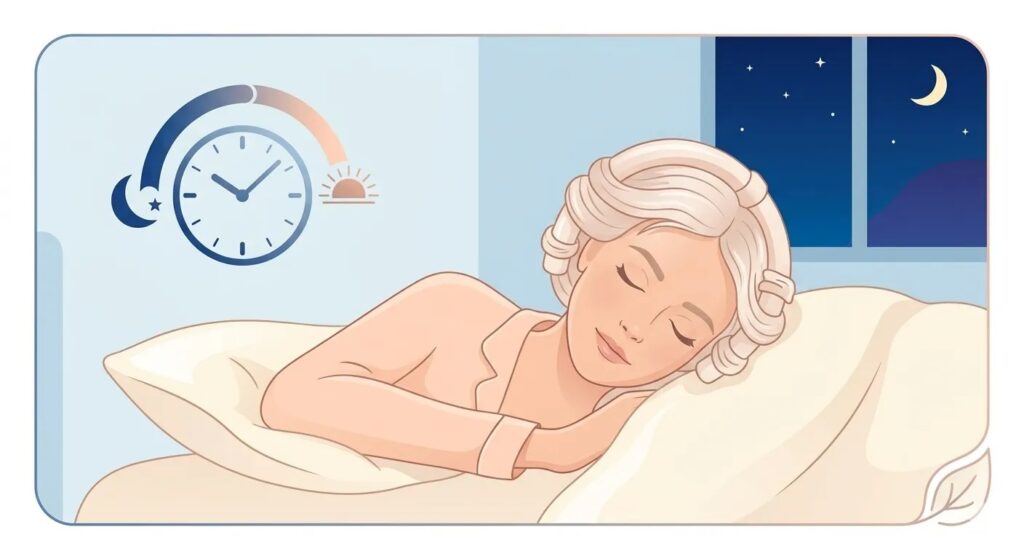
Patience is your absolute superpower here. If you unravel your hair before the dampness has completely evaporated, your waves will disappear within an hour. Allow the structure to set for at least four to six hours, or ideally overnight while you sleep.
Best Heatless Curl Methods for Fine and Fragile Hair
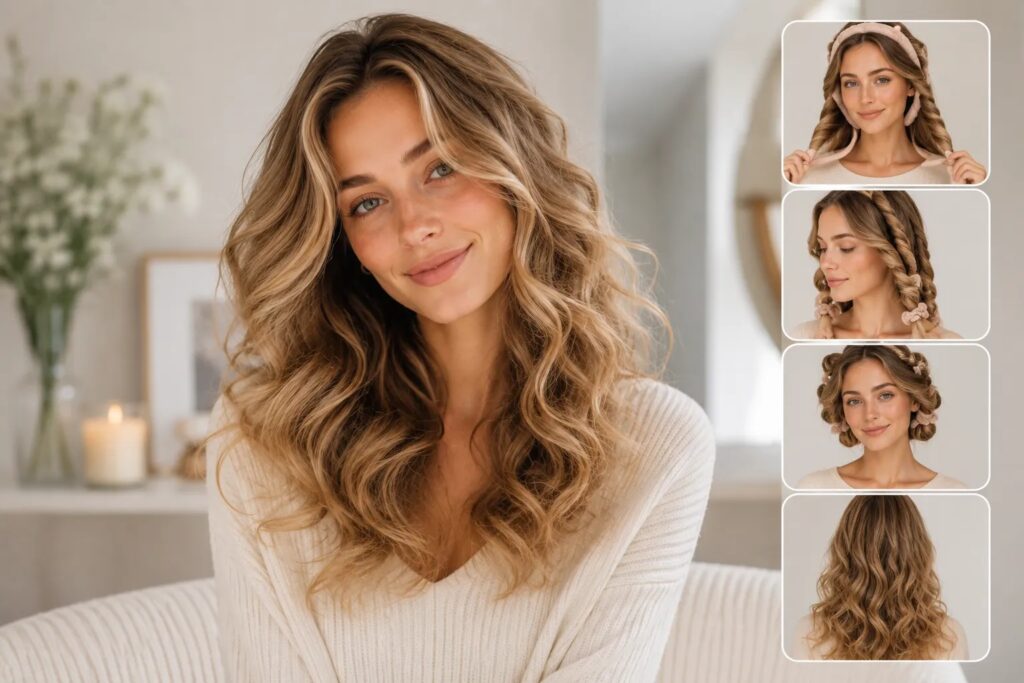
Not all heatless methods are created equal for thin hair textures. Here are the top five proven techniques that work beautifully on delicate strands, moving from the gentlest waves to the most defined curls.
1. Satin Flexi Rods: Best for Bouncy, Defined Heatless Curls
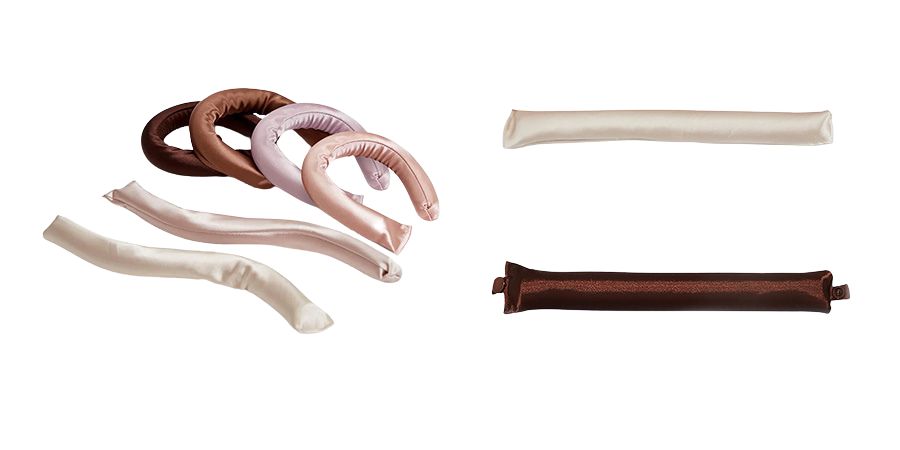
Satin-covered foam rods feature an incredibly smooth surface that will never snag or tear fine hair fibers. The flexible core distributes physical pressure perfectly evenly across your scalp, making them comfortable for overnight wear.
To style, isolate a small, one-inch section of damp hair. Wrap the very tips smoothly around the center of the satin rod first, and then roll the rod upward toward your scalp, bending the ends inward to lock it. In the morning, unroll each section gently and shake your head. Avoid using rods smaller than three-quarters of an inch; tight micro-curls can make fine hair look stringy, whereas larger rods build beautiful volume and body.
2. Robe Belt Curls: Best for Loose, Beachy Waves
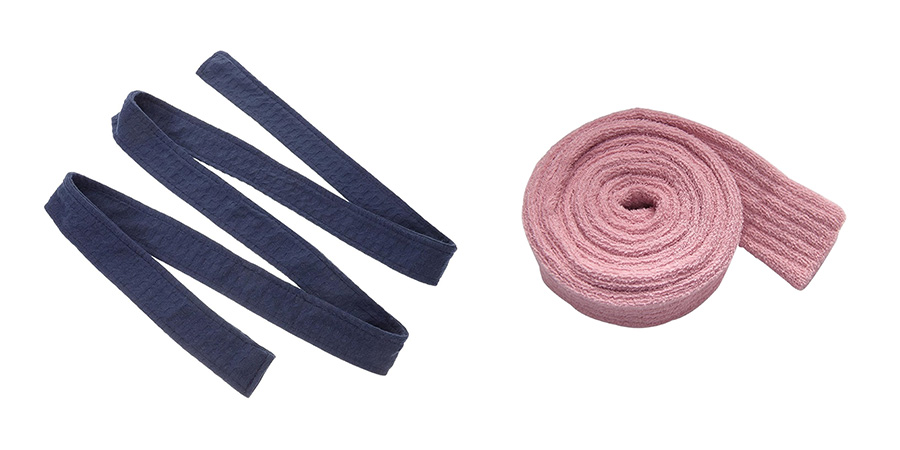
Utilizing a soft satin or plush fleece robe belt creates a beautiful spiral shape entirely free of sharp, unnatural creases or harsh bends, operating under very low tension.
Drape a long robe belt evenly over the top of your head like a standard headband. Isolate one-inch sections of hair and wrap them sequentially around the belt, working from the front hairline backward while incorporating new strands. Tie the loose ends of the belt softly at your neck and sleep. When you unwrap the style in the morning, separate the waves gently using only your clean fingers. This is a dream choice for fine hair that hates tight curls, delivering that coveted, effortless French-girl texture.
3. The Satin Scarf Twist: Best for Root Volume
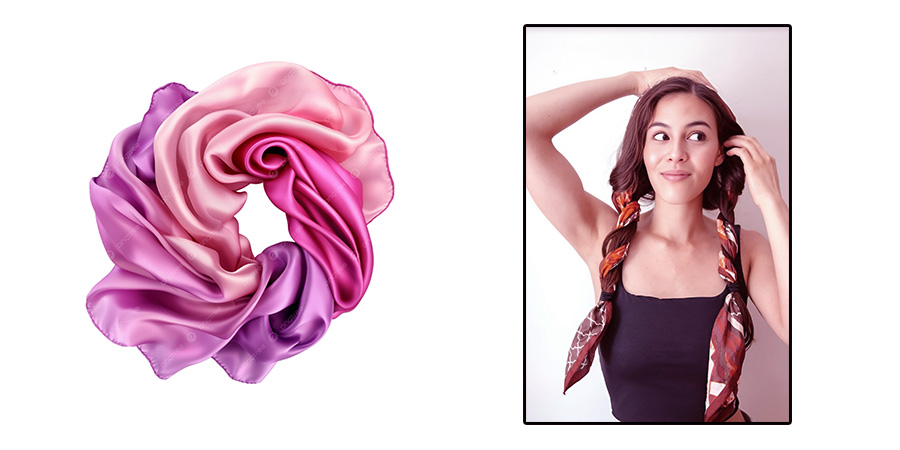
This method is a structural masterclass because it actively lifts your roots while curling your ends, effectively solving the flat-top problem that fine hair frequently faces.
Fold a long, smooth satin scarf lengthwise into a narrow band. Place it across your crown like a headband, letting the two fabric tails hang down beside your ears. Split your hair into two equal sections, twist each individual section tightly around the scarf tail, and then wrap the twisted columns into two compact buns behind your ears. Secure the ends and unwrap in the morning to discover immediate root lift and soft, voluminous waves.
4. Pin Curls: Best for Elegant, Polished Old Hollywood Glamour
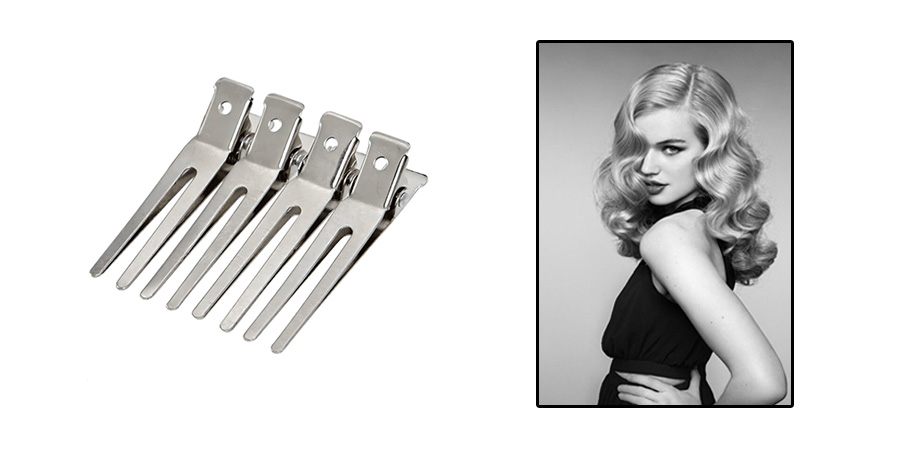
Traditional pin curls distribute the weight of your hair perfectly evenly across your scalp matrix and completely eliminate the need for elastic bands, which can leave annoying visible indents on fine strands.
Isolate small, neat sections of damp hair. Wrap each individual section smoothly around two fingers to form a flat, circular coil, and pin the coil flat against your scalp using a smooth, double-prong metallic clip. Never use bobby pins with rough ridges for this technique, as they will tear fine cuticles. Cover your head with a silk bonnet to sleep, remove the pins in the morning, and finger-comb for a glossy, classic finish.
5. Damp French Braids: Best for Simple, No-Tools Waves
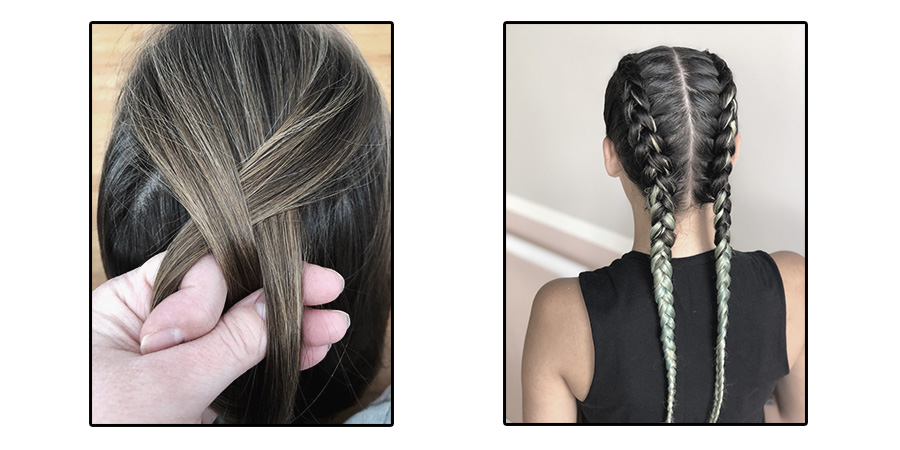
Why it works: Braiding is the oldest, safest method. Fine hair braided Braiding stands as the oldest, safest, and most low-maintenance hair manipulation method in history. Braiding fine hair while it is slightly damp creates beautiful, uniform, and mermaid-like crimped waves.
Divide your damp hair into two to four distinct sections, keeping in mind that more sections produce a tighter wave pattern. Braid each section into a classic three-strand pattern, and secure the tips using soft silk scrunchies. Sleep for at least six hours, unbraid the sections carefully, shake out your roots, and step out in style. Ensure your hair is mostly dry before braiding; trapping too much moisture inside a tight braid causes intense frizz.
What to Avoid: Fine Hair Disaster Zones

To preserve your natural density and prevent sudden breakage, make sure to steer completely clear of these common styling pitfalls:
- Velcro Rollers: The tiny plastic hooks on velcro rollers catch, tangle, and mechanically break fine hair strands during removal.
- Back-Combing or Teasing Before Curling: Aggressive back-combing causes irreversible cuticle matting, severe friction knots, and immediate split ends along fragile shafts.
- Sleeping on Terry Cloth Pillowcases: Coarse cotton and terry cloth fabrics act like a sponge, drying out your hair matrix while generating intense nighttime friction and frizz.
- Pulling Hair Excessively Tight When Wrapping: Applying high tension to your hairline leads to traction alopecia and follicle weakness over time.
- Brushing Out Curls with a Hard Bristle Brush: Forcing a traditional brush through fresh waves destroys the pattern instantly, creating a poofy cloud of frizz. Stick strictly to a wide-tooth comb or your fingertips.
Morning Routine for Long-Lasting Heatless Curls
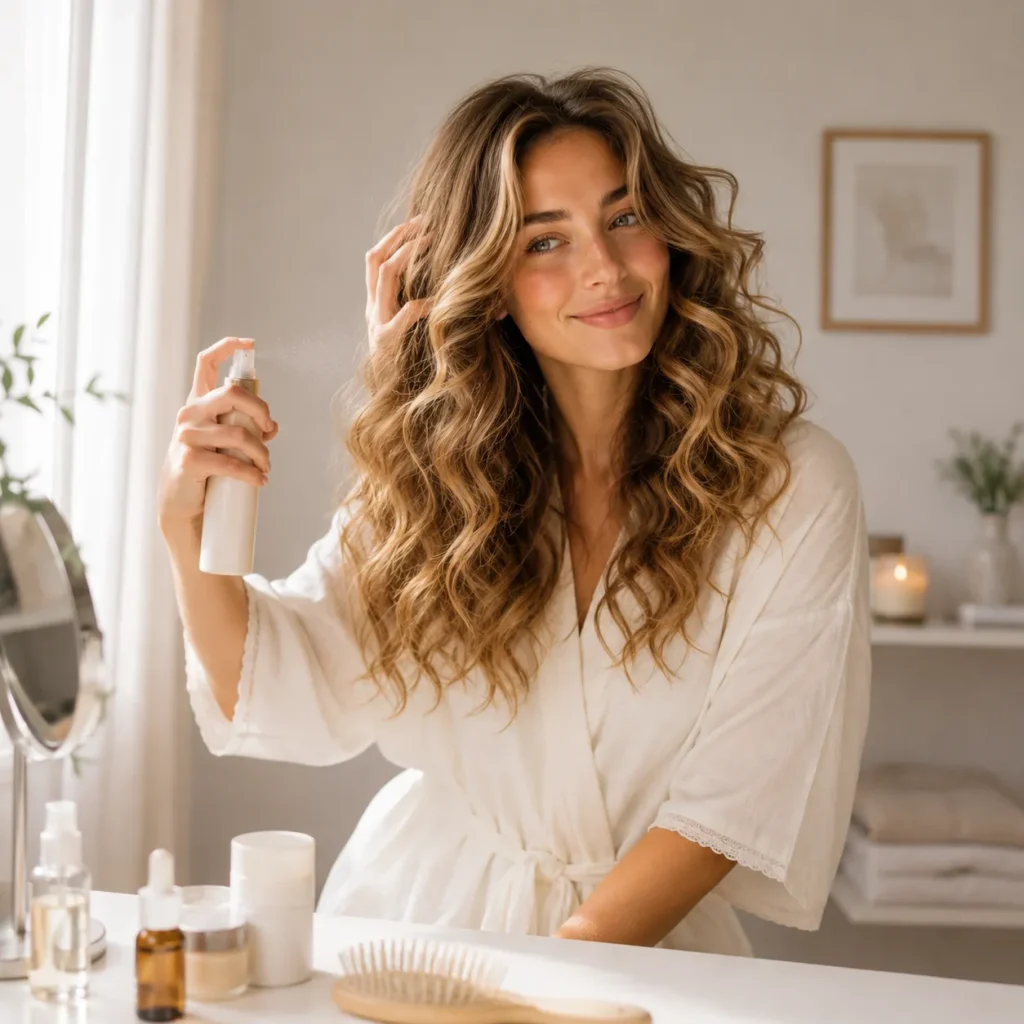
Once you have carefully unrolled your satin rods or unbraided your silk scrunchies, follow this rapid sequence to lock in your volume all day:
- Flip your head completely upside down and gently shake through your roots with your fingertips to separate the pattern.
- Spritz a light cloud of flexible-hold hairspray through the length, ensuring you select a weightless, aerosol-free formula rather than a heavy glue.
- Avoid touching your hair entirely for ten minutes while the styling spray sets the pattern polymers securely.
- If your curls begin to soften by midday, simply re-curl the very ends around one finger and anchor them with a small clip for fifteen minutes while you study or work to reactivate the bounce.
If you are navigating high atmospheric humidity, smooth a single micro-drop of anti-humidity serum over the perimeter to block out moisture. During dry winter months, a light mist of plain water vapor will instantly reactivate the underlying curl memory.
Essential Product Recommendations for Fragile Strands
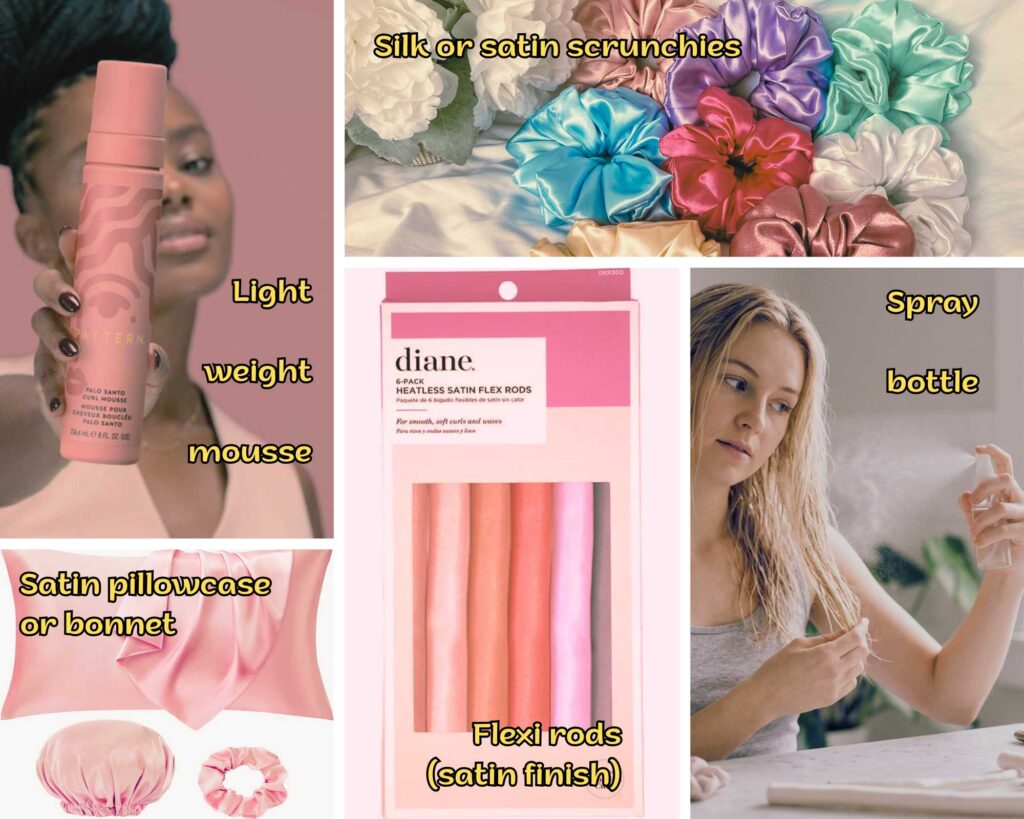
You absolutely do not need to clutter your bathroom vanity with a dozen complex products. You simply require these few affordable, high-quality staples:
- Weightless Volumizing Mousse: A clean formula like the Wella Shockwaves Volume Mousse, which is highly effective and widely affordable across European and American drugstores.
- Premium Silk or Satin Scrunchies: Soft bands from brands like Slip or generic satin alternatives that feature zero metal clasps or exposed rubber.
- A Friction-Free Satin Pillowcase: A soft bedding upgrade that protects your hair matrix and your skin from nighttime friction.
- Smooth Satin-Finished Flexi Rods: Reliable options from brands like Conair or Diane to shape defined curls safely.
- A Fine-Mist Spray Bottle: An essential tool to evenly re-dampen your dry lengths before wrapping.
You Might Like: Protective Styles for Straight & Wavy Hair
Table of Contents
Real-Life Success: A Quick Story
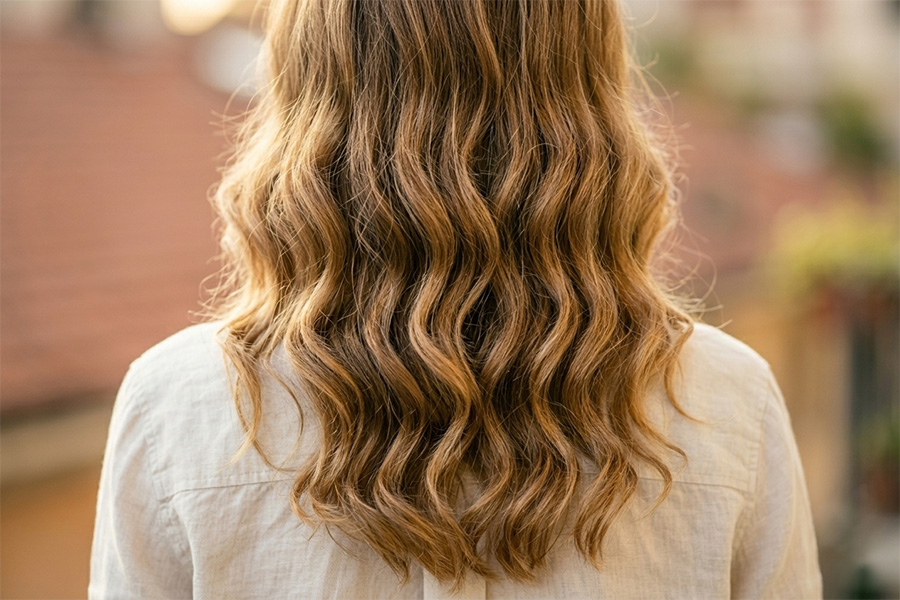
Your baby-fine hair is a gorgeous, valuable asset, and protecting its internal structural health should always be a stress-free, joyful part of your self-care routine. By transitioning away from damaging daily hot irons and incorporating these five heatless methods into your weekly calendar, you can wake up to salon-worthy volume, bounce, and shine without the expensive repair bills, the split ends, or the morning rush.
Ready to Welcome Voluminous, Damage-Free Hair?
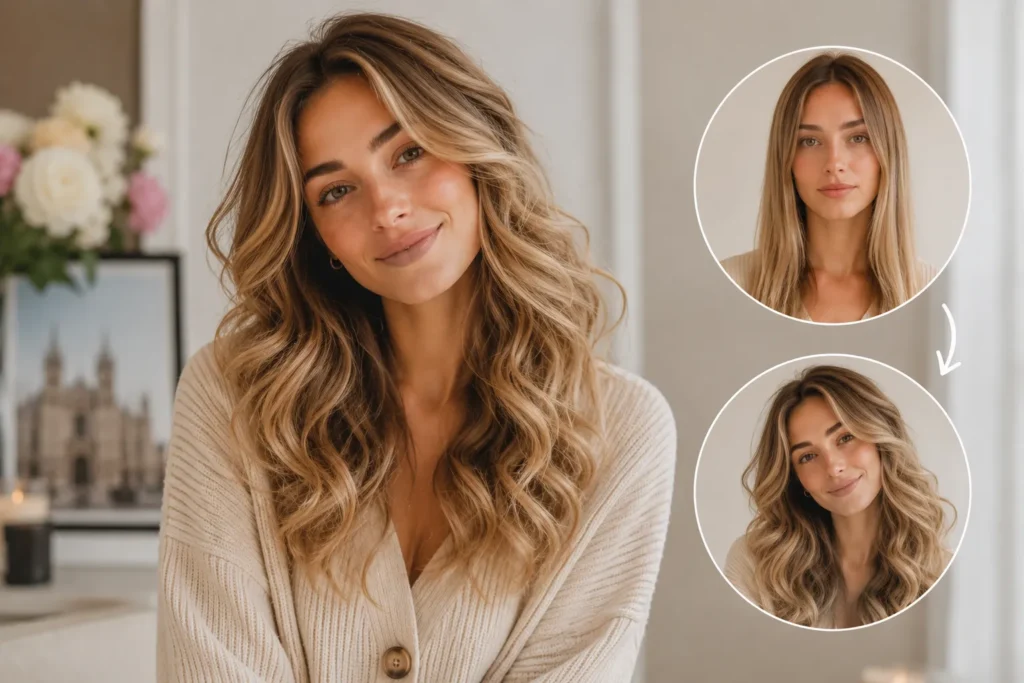
If you loved these hair preservation strategies, continue exploring our blog to unlock more exclusive capsule wardrobe checklists, expert beauty breakdowns, and curated style guides! Dive into our seasonal lookbooks to master protective hairstyles for straight and wavy hair textures to keep your personal style effortlessly ahead of the curve.
Stay gorgeous, love your natural texture, and style with pure confidence!